Brief Summary:
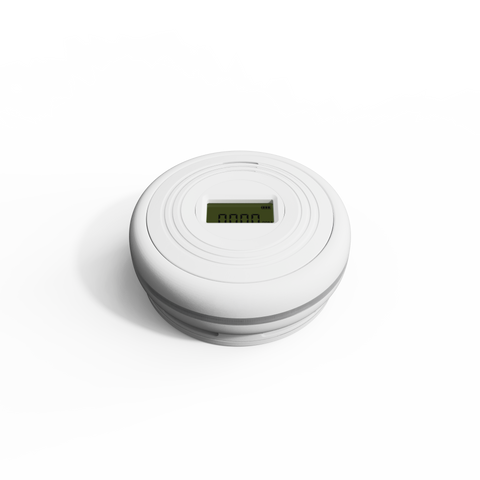
A combo smoke and carbon monoxide (CO) alarm is a dual-purpose safety device that consolidates two essential home protections smoke and carbon monoxide detection into a single unit. This convenience saves space and simplifies maintenance by requiring fewer installations and battery checks compared to buying separate alarms. While a single unit is convenient, it is crucial to select a model that uses effective sensor technology (like photoelectric for smoke and electrochemical for CO), ensure proper placement in the home (at least one on every level and near sleeping areas), and note its lifespan (typically 7-10 years for the combined unit).
The Essential Guide to Combo Smoke and CO Alarms
The modern home is filled with potential hazards, two of the most life-threatening being fire and the silent killer, carbon monoxide (CO). For years, homeowners have had to manage separate alarms, but the integrated combo smoke and CO alarm offers a streamlined, two-in-one solution for comprehensive household protection. Before you purchase a new unit, understanding the technology, placement, and replacement schedule is essential to maximize your family’s safety.
Why Choose a Combo Alarm?
Opting for a combination unit provides several significant advantages:
- Space-Saving Convenience: Instead of installing two bulky units on your wall or ceiling, you only need one, which is aesthetically cleaner and ideal for smaller spaces like apartments or hallways.
- Simplified Maintenance: You have fewer devices to check, test monthly, and replace batteries in, making regular home safety maintenance much easier to manage.
- Cost-Effective: Often, a single high-quality combo alarm is more affordable than purchasing separate, top-tier smoke detectors and carbon monoxide detectors.
Sensor Technology: What’s Inside the Box?
A single combo unit contains two distinct sensing mechanisms, each designed for a specific threat:
- Smoke Detection
Most high-quality combo units utilize one of two, or a combination of, smoke sensing technologies:
- Photoelectric: Excels at detecting smoldering fires—fires that start small and produce a lot of smoke but little flame (like a cigarette in a couch). These are less prone to false alarms from cooking steam.
- Ionization: More responsive to fast-flaming fires that consume combustible materials quickly and produce small, virtually invisible combustion particles.
- Dual-Sensor: The most comprehensive solution, using both photoelectric and ionization technology to detect a wider range of fires. Recommendation: Look for dual-sensor models or those with advanced photoelectric sensors, as smoldering fires are common in residential settings.
- Carbon Monoxide (CO) Detection
For carbon monoxide, combo alarms universally use an electrochemical sensor. This highly sensitive technology reacts chemically to the presence of CO gas, triggering an alarm before the concentration reaches a dangerous level. CO alarms are calibrated to go off at levels that are harmful to humans over time, long before the gas becomes lethal, providing a vital early warning.
Crucial Placement & Installation Guidelines
One of the most common questions about combo alarms is their placement, since smoke rises and CO is slightly lighter than air and spreads evenly. Modern, certified combo units are engineered to be effective on the ceiling or high on a wall, which is the standard placement.
Key Locations for Installation:
- Near Sleeping Areas: This is non-negotiable. You must be alerted when you are most vulnerable—while you sleep.
- On Every Level of the Home: Including the basement and attic, if they are habitable.
- Near Fuel-Burning Appliances: Place an alarm near your furnace, water heater, fireplace, or other gas/oil appliances.
Areas to Avoid to Prevent False Alarms:
- Within 10 feet of cooking appliances (ovens, stoves) to prevent false smoke alarms.
- Near forced-air vents, fans, or windows, as drafts can prevent smoke/CO from reaching the sensor.
- In extremely dusty, dirty, or humid areas (like bathrooms).
Smart Alarms: Matter Smoke Alarms
The world of home safety is rapidly evolving with smart home integration. Modern combo alarms often connect to your Wi-Fi, allowing for remote notifications, system testing from an app, and voice alerts that clearly state the type and location of the threat (e.g., “Warning, smoke detected in the kitchen!”).
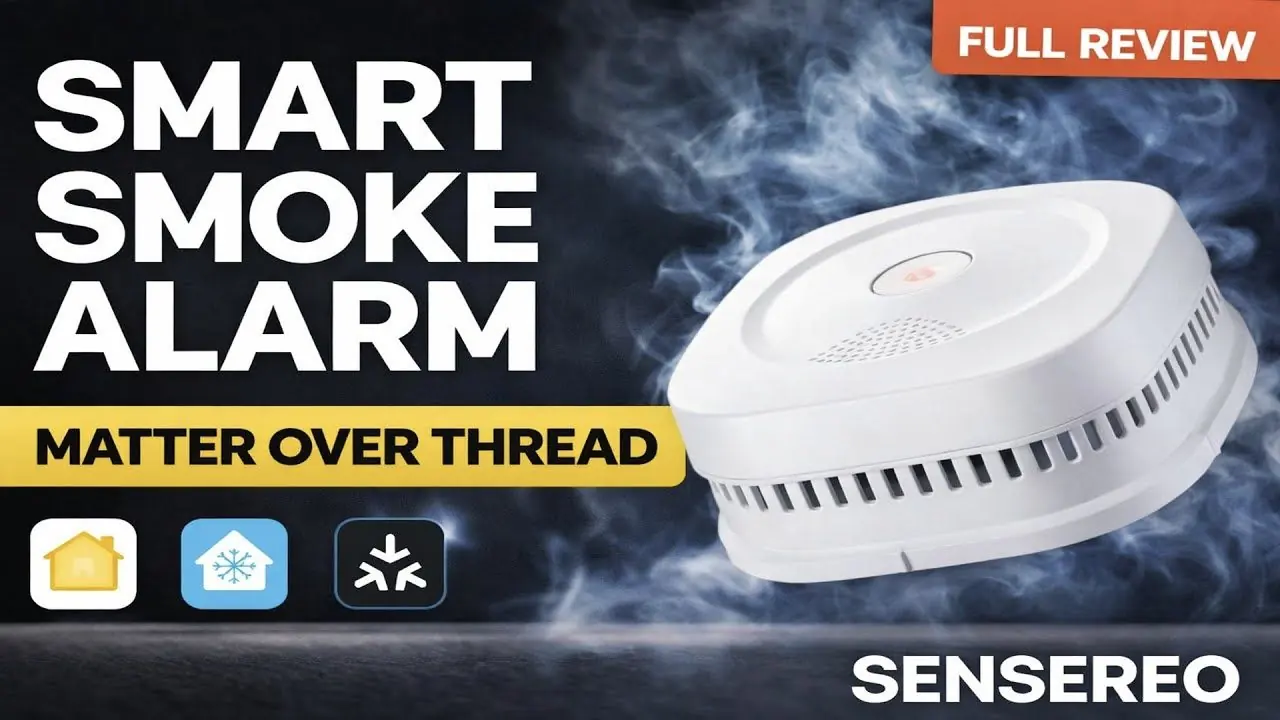
A new development is the integration of the Matter standard. A Matter smoke alarm future-proofs your home by ensuring seamless compatibility and interoperability across different smart home ecosystems (like Apple Home, Google Home, and Alexa). Using a secure, reliable protocol like Thread, Matter alarms communicate faster and more reliably with your smart hub, reducing reliance on single-brand ecosystems. A great example of this innovation is the Sensereo MCS-1 Matter Smoke Alarm, which combines Matter over Thread connectivity with reliable smoke and CO detection to keep your home safe and future-ready.
Here is the detailed specification of MCS-1
| Feature | MCS-1 Smart Combo Alarm |
| Protection | Dual-Sensor (Smoke & CO) in One Unit |
| Smart Connection | Matter over Thread Certified |
| Installation | Easy mounting in one spot. |
| Alerts | Loud Siren, Flashing LED, AND Instant Phone Notifications (Remote Monitoring) |
| Status Updates | Immediate alerts for low battery and network disconnection. |
| Quality & Lifespan | 7-Year Warranty, 10-Year lifespan and certified to high European standards (EN 14604 & EN 50291). |
FAQs About Combo Smoke and CO Alarms
Q1: How long does a combo smoke and CO alarm last?
A1: Most manufacturers recommend replacing a combination alarm every 7 to 10 years. The carbon monoxide sensor is the component that typically expires first, as its chemical compound degrades over time. Look for an “end-of-life” warning feature that alerts you when it’s time for replacement.
Q2: Should I get separate units or a combo unit?
A2: A combo unit offers excellent general protection, convenience, and cost savings. However, if you are concerned about optimal placement, separate units can be placed at different heights (smoke high on a ceiling, CO lower on a wall). For most homes, a quality, certified combo alarm installed correctly on every level provides sufficient and convenient dual protection.
Q3: Can smoke detectors and carbon monoxide detectors be on the same circuit?
A3: Yes. Hardwired smoke and CO alarms (including combo units) are typically installed on the same dedicated electrical circuit and are often required to be interconnected, so all alarms sound simultaneously in an emergency.
Q4: Are there dual fire and carbon monoxide alarms?
A4: Yes. “Dual fire and carbon monoxide alarm” is simply another name for a combo smoke and CO detector. They provide essential protection against both hazards in a single, certified unit.
Summary: Your Buying Checklist
To ensure maximum safety when purchasing a combo smoke and CO alarm:
- Certification: Verify the unit is certified by a reputable organization like UL (Underwriters Laboratories).
- Sensor Type: Prioritize models with a Photoelectric sensor (or dual-sensor) for smoke and an Electrochemical sensor for CO.
- Features: Look for a Hush/Silence button to temporarily quiet nuisance alarms, a Voice Alert to specify the threat and location, and an End-of-Life warning.
- Interconnectivity: Choose models that interconnect (either hardwired or wirelessly) so all alarms sound off simultaneously.
- Smart Features: Consider Wi-Fi or Matter compatibility for remote monitoring and seamless smart home integration.
Upgrade Your Safety. Upgrade to Smart.
You deserve a home safety solution that is simple, comprehensive, and universally compatible. The MCS-1 delivers two-in-one protection with the reliability of a 7-year warranty and the intelligence of Matter over Thread.
Don’t wait to protect your family from the silent killer and the threat of fire.
Click here to buy the MCS-1 Dual-Sensor Smart Alarm and secure your home today