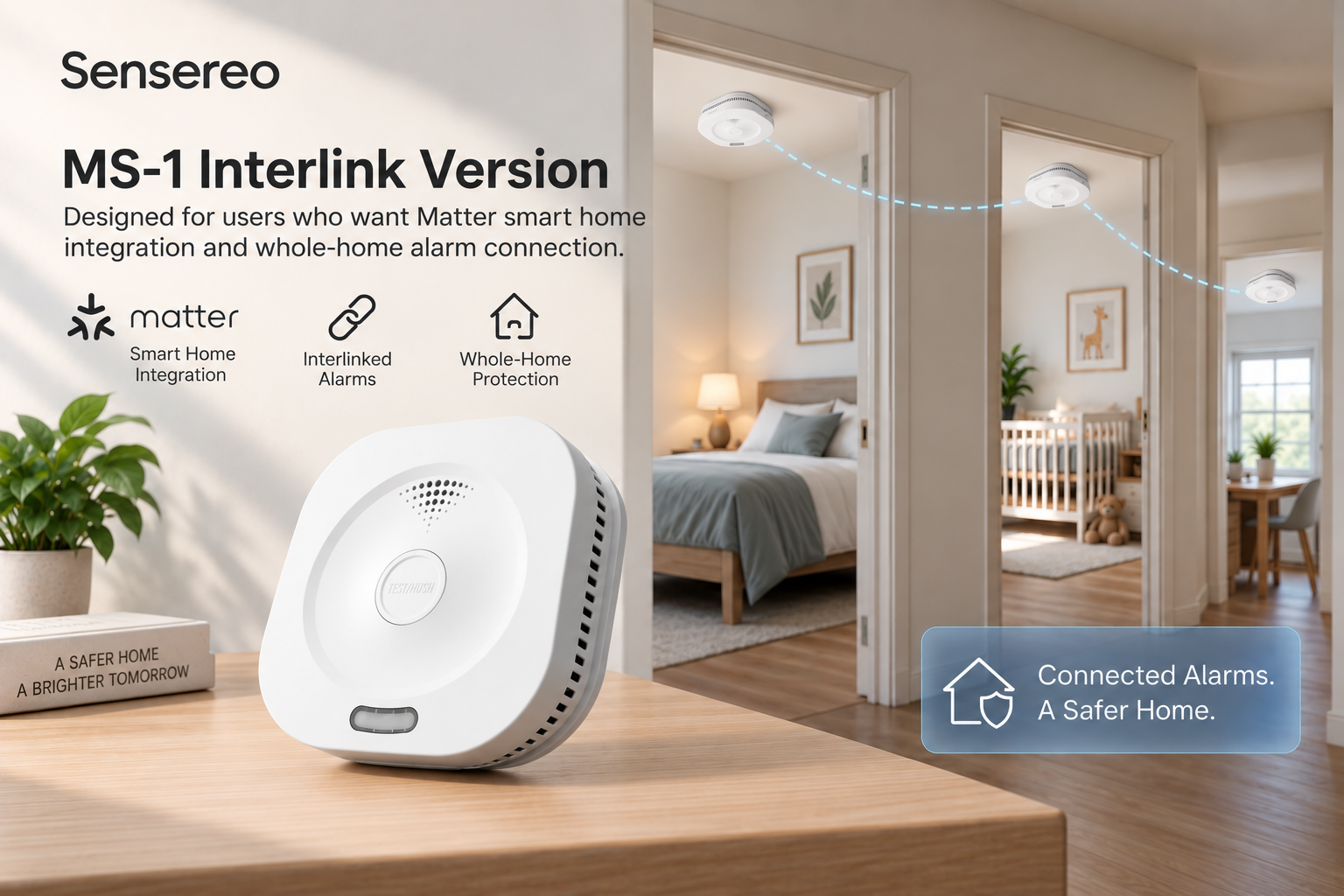
In a larger house, a multi-story home, or a home with bedrooms far away from the kitchen or hallway, one alarm sounding in one room may not always be heard clearly in another area.
This is where interlinked smoke alarms can make a difference. Instead of working only as individual alarms, compatible interlinked smoke alarms can communicate with each other. When one alarm detects smoke, the connected alarms can also sound, helping people in different rooms hear the warning earlier.
Sensereo MS-1 is a Matter over Thread smoke alarm designed for smart home users. On July 31, 2026, Sensereo released the MS-1 Interlink Version, adding Thread-based alarm interconnection for users who want both smart home integration and whole-home alarm connection.
What Is an Interlinked Smoke Alarm?
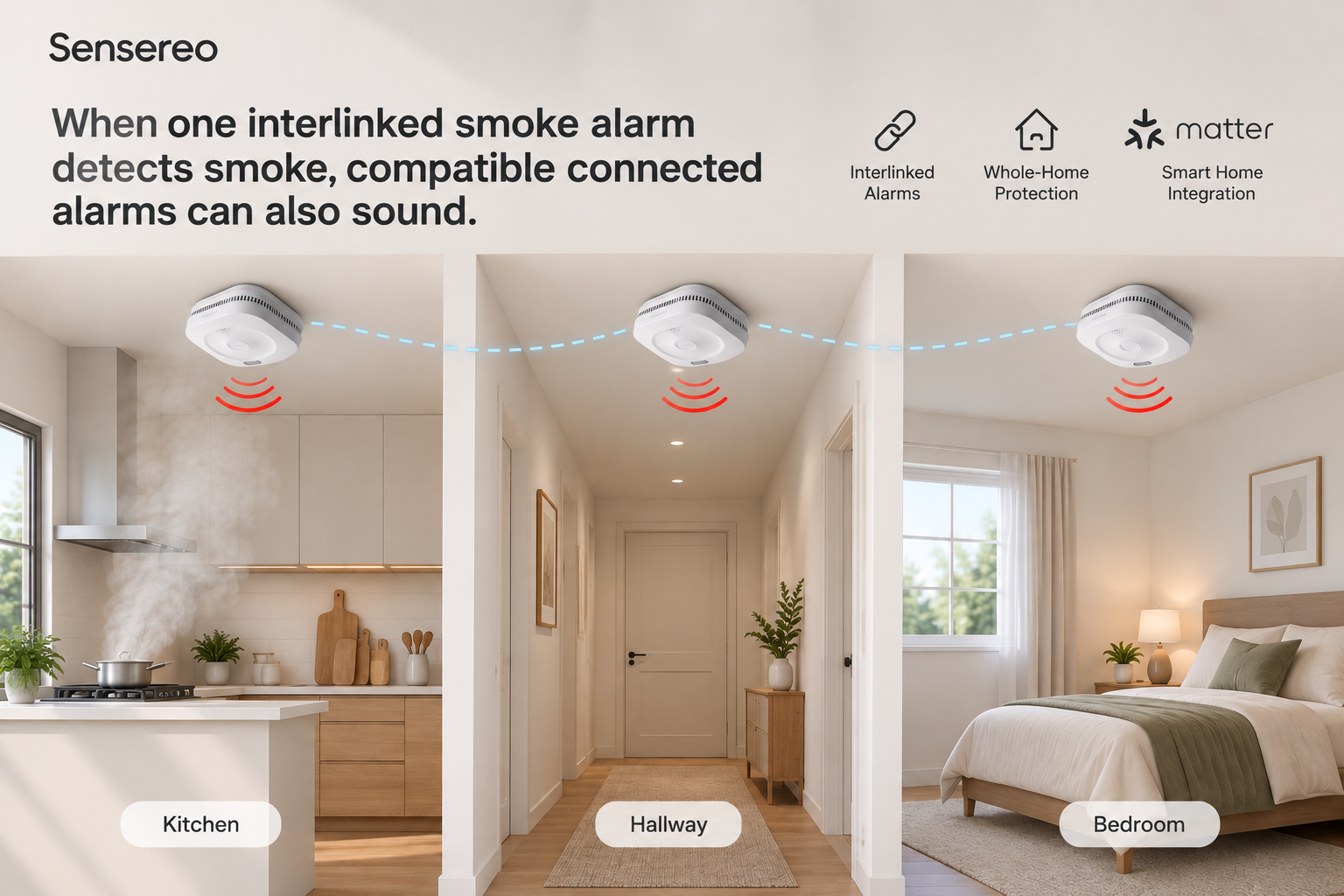
An interlinked smoke alarm, also called an interconnected smoke alarm, is a smoke alarm that can communicate with other compatible alarms in the same home. When one alarm detects smoke, the other connected alarms can also sound.
This is different from a standalone smoke alarm. A standalone alarm only sounds where smoke is detected. An interlinked alarm system helps extend the audible warning across multiple rooms or floors.
For example, if smoke is detected in a downstairs hallway, an interlinked smoke alarm in an upstairs bedroom can also sound. This can be especially useful at night, when doors are closed or when family members are sleeping in different parts of the home.
In simple terms, Interlink helps extend the alarm warning across the home by allowing compatible alarms to respond together.
Why Interlink Matters for Whole-Home Safety
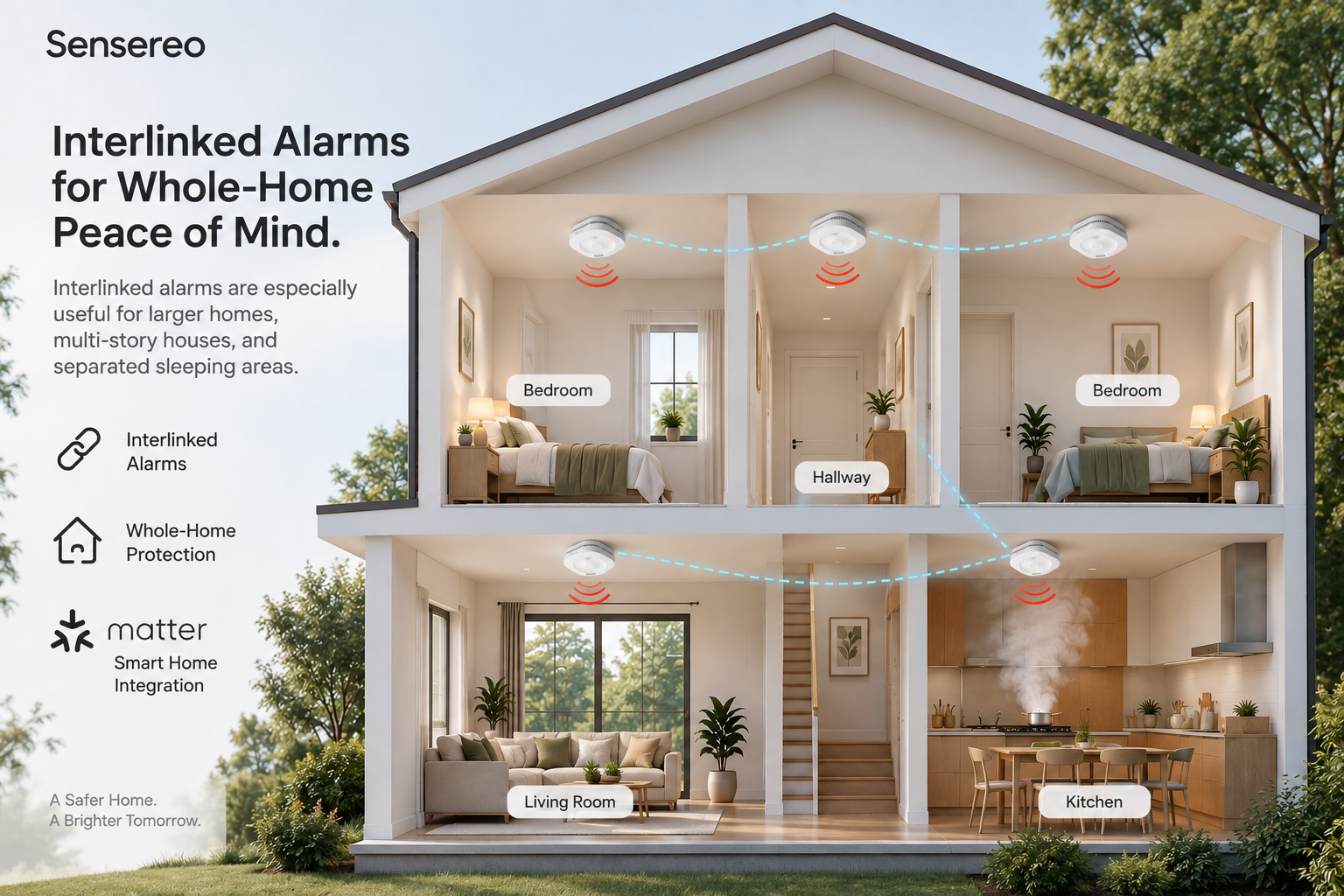
In many homes, smoke does not always start near the place where people are sleeping or spending time. A fire risk may begin in the kitchen, hallway, utility room, garage area, or another part of the home.
If the alarm is far away, the warning may be harder to hear. This is especially true when doors are closed, people are sleeping, or the home has multiple floors.
Interlinked smoke alarms help address this problem by allowing compatible alarms to respond together. Instead of relying on one alarm in one location, multiple alarms can provide a wider audible warning across the home.
Interlink can be useful for:
-
Multi-story homes where an alarm on one floor may not be heard clearly on another floor.
-
Homes with multiple bedrooms or separated living areas.
-
Households where people may be sleeping in different parts of the home.
-
Users who want alarm-to-alarm interconnection in addition to smart home notifications.
The goal is simple: when one alarm detects smoke, compatible connected alarms can also sound so the warning can be heard across more areas of the home.
Interlink vs Matter: What Is the Difference?
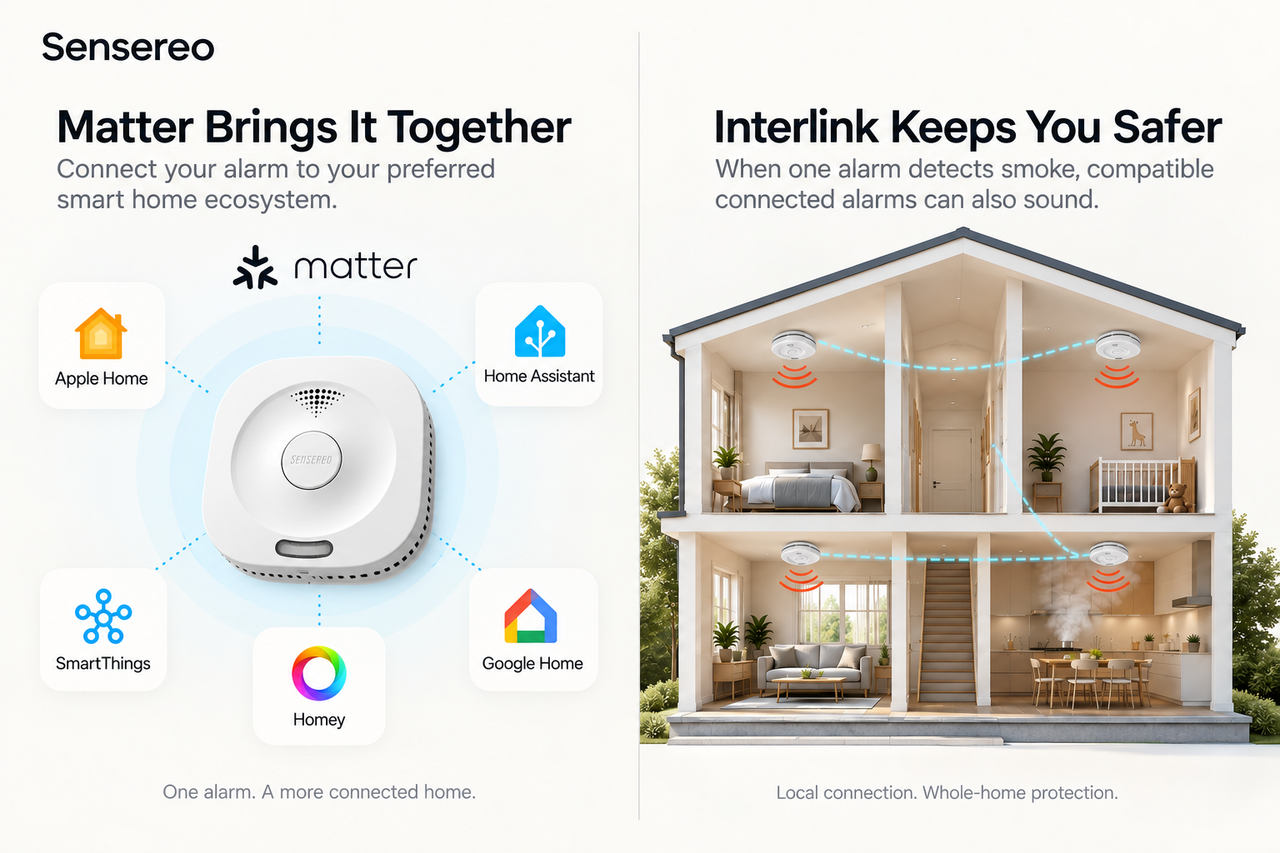
Interlink and Matter are both useful for connected home safety, but they serve different purposes.
Matter over Thread helps a smoke alarm be able to connect to more than one compatible smart home ecosystems. Depending on the platform, this can allow users to check device status, receive app alerts, and include the alarm in a broader smart home setup.
Sensereo Interlink also uses Thread, but for a different purpose. It uses the local Thread network to send alarm information between compatible alarms. When one alarm detects smoke, it can transmit the alarm event over Thread so other connected alarms can also sound.
This alarm-to-alarm communication does not rely on a cloud service. If Wi-Fi or internet access becomes unavailable, the Interlink function can continue as long as the local Thread network remains active and the connected alarms can still communicate over Thread.
In simple terms, Matter helps the alarm work with your smart home ecosystem, while Interlink uses Thread to help compatible alarms communicate and sound together.
The two functions complement each other. Matter provides smart home integration, while Interlink provides Thread-based alarm-to-alarm communication across the home.
Sensereo MS-1: Matter Smoke Alarm for Smart Home Integration
Sensereo MS-1 is a Matter over Thread smoke alarm designed for users who want smoke alarm monitoring inside a compatible smart home ecosystem.
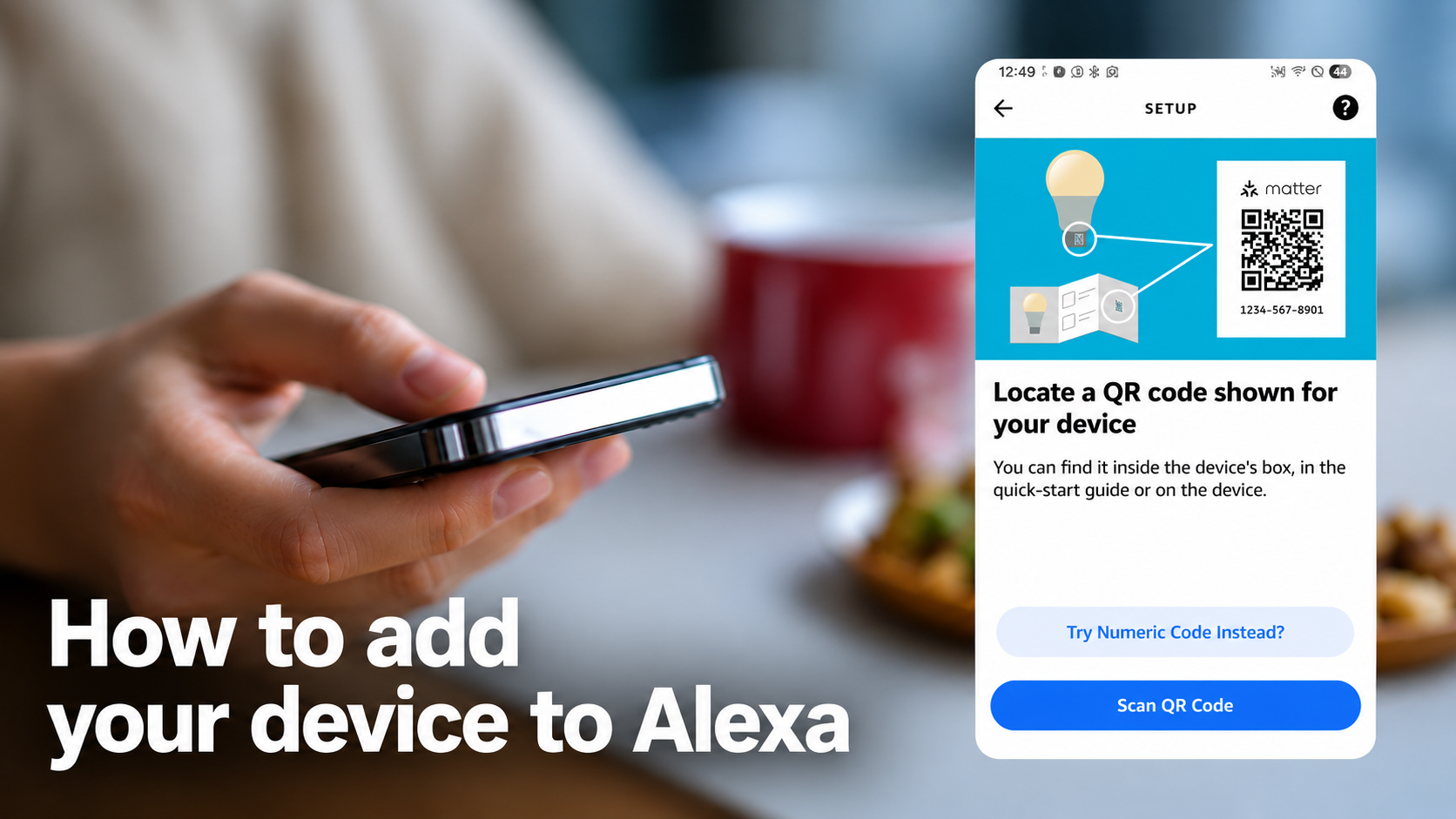
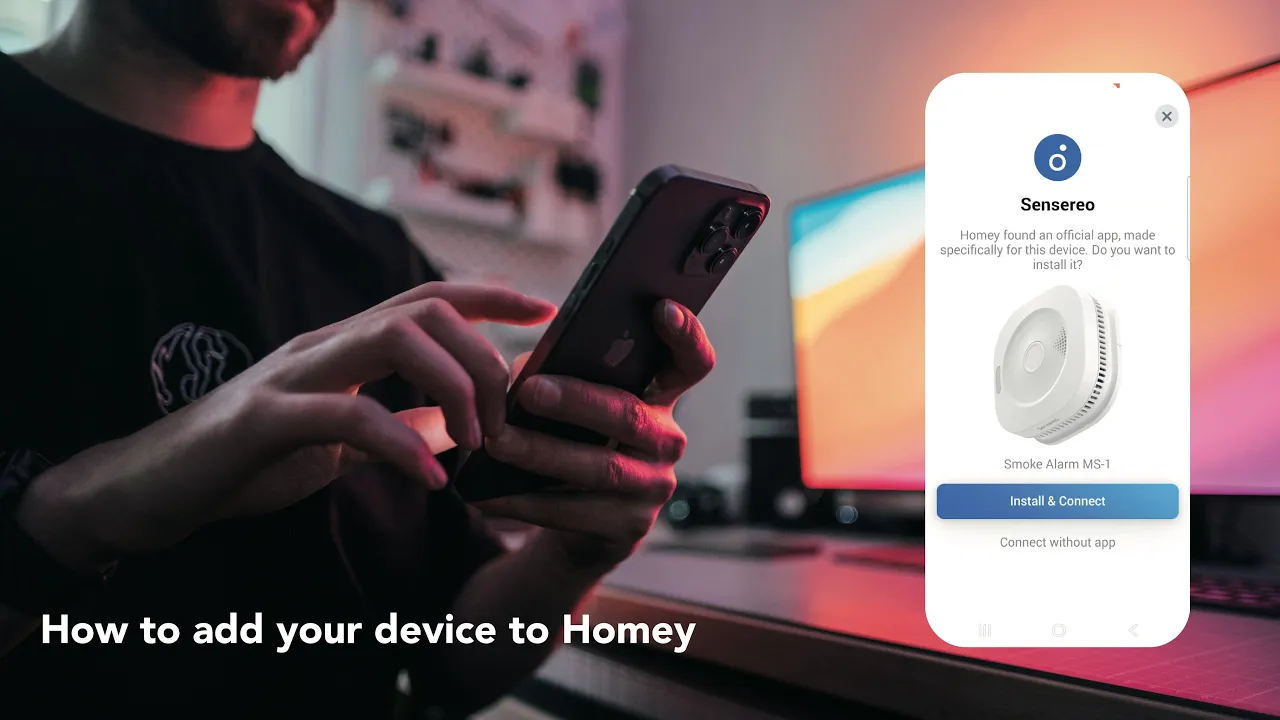
With Matter over Thread support, MS-1 can work with compatible platforms such as Apple Home, Home Assistant, Samsung SmartThings, Homey, and Amazon Alexa when the required Matter and Thread setup is available.
The standard MS-1 is priced at $49.99. It supports Matter over Thread smart home integration, but it does not include the alarm-to-alarm Interlink function of the MS-1 Interlink Version.
Sensereo MS-1 Interlink Version: Matter Smoke Alarm with Whole-Home Alarm Connection
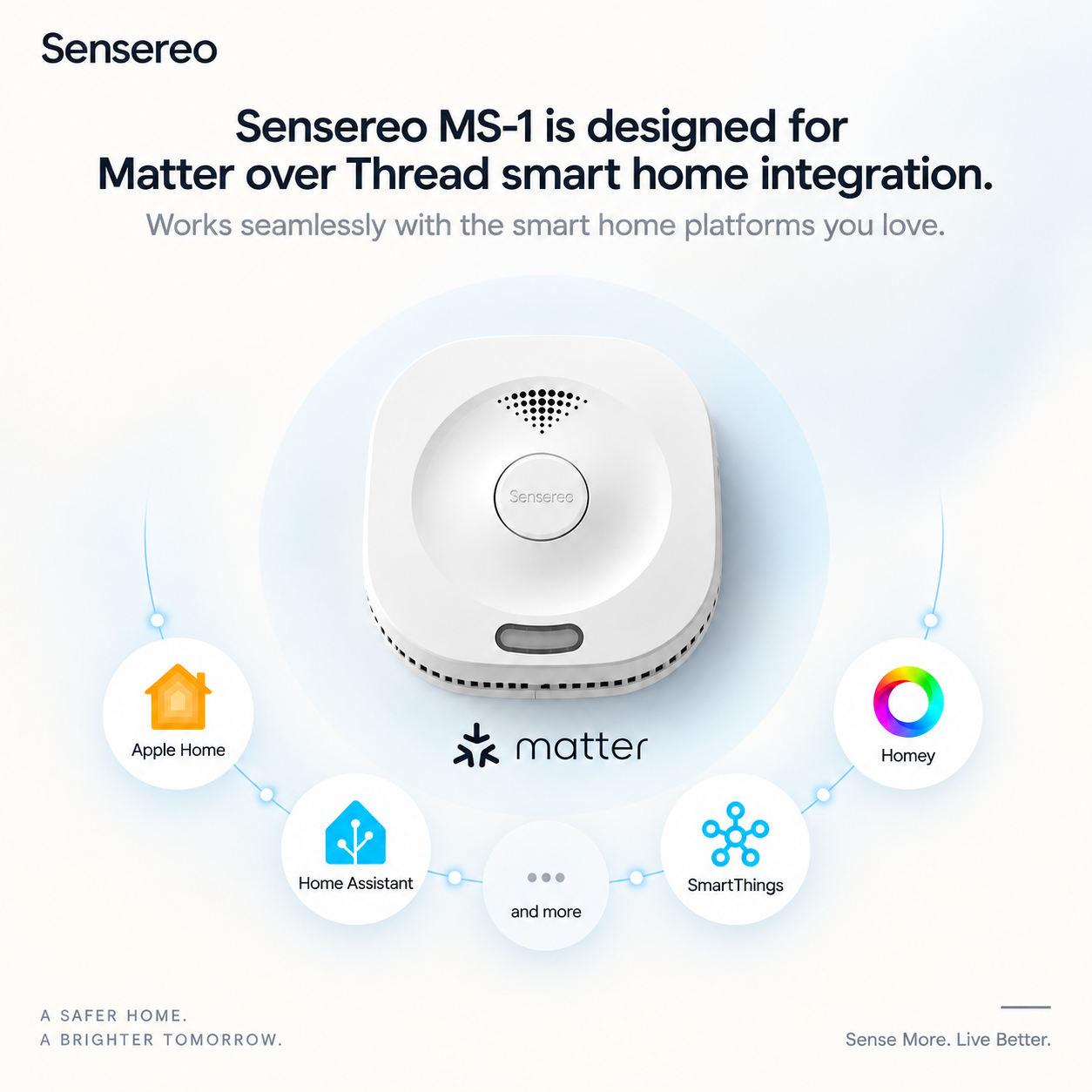
Released on July 31, 2026, the Sensereo MS-1 Interlink Version adds Thread-based alarm interconnection to the MS-1 platform. Compatible Interlink alarms can exchange alarm information over the local Thread network so that when one detects smoke, the others can also sound.
Compared with the standard MS-1, the MS-1 Interlink Version includes an additional dedicated Interlink button. This button is used for Interlink-related operation and also serves as the control for entering pairing mode on the Interlink model.
This makes the MS-1 Interlink Version a strong fit for users who want smoke detection coverage across multiple rooms, multiple floors, or larger home layouts.
The MS-1 Interlink Version is designed for users who want:
-
Multiple compatible smoke alarms connected across the home.
-
Thread-based alarm-to-alarm communication.
-
A smoke alarm setup for multi-story homes or larger living spaces.
-
Matter smart home integration together with interlinked alarm behavior.
The MS-1 Interlink Version is priced at $59.99. Its key value is the combination of Matter smart home integration and Thread-based alarm interconnection.
MS-1 vs MS-1 Interlink Version
| Feature | MS-1 | MS-1 Interlink Version |
|---|---|---|
| Price | $49.99 | $59.99 |
| Smoke detection | Yes | Yes |
| Matter over Thread | Yes | Yes |
| Smart home ecosystem integration | Yes | Yes |
| Thread-based alarm Interlink | No | Yes |
| Dedicated Interlink button | No | Yes |
| Interlink button used to enter pairing mode | Not applicable | Yes |
| Can multiple connected alarms sound from one smoke event? | No | Yes |
| Can Interlink continue if Wi-Fi or internet is offline? | Not applicable | Yes, as long as the local Thread network remains active |
| Can standard MS-1 gain Interlink through OTA or firmware update? | No | Interlink is built into this version |
| Can standard MS-1 and Interlink Version be mixed in the same Interlink network? | No | No |
| Cross-brand Interlink | Not applicable | Only with compatible alarms that also use Thread for Interlink communication |
Can Standard MS-1 Be Upgraded to Support Interlink?
No. The standard MS-1 cannot gain Interlink functionality through an OTA or firmware update.
The MS-1 Interlink Version includes dedicated Interlink functionality and an additional Interlink button. If alarm-to-alarm Interlink is required, the MS-1 Interlink Version should be selected.
Can MS-1 and MS-1 Interlink Version Be Mixed in the Same Interlink Network?
No. A standard MS-1 cannot participate in the MS-1 Interlink Version’s alarm Interlink network.
The standard MS-1 can still operate as a Matter over Thread smoke alarm in a compatible smart home ecosystem, but it does not support the Thread-based alarm-to-alarm Interlink function.
Can MS-1 Interlink Work with Other Brands?
Cross-brand Interlink depends on the underlying technology used by the other alarm.
The MS-1 Interlink Version can interoperate with compatible alarms from other brands when those alarms also implement their Interlink communication over Thread and use a compatible alarm interconnection method.
If another alarm uses a different wireless technology or a proprietary non-Thread method for Interlink, it cannot join the same Thread-based Interlink network.
In other words, two products both being described as “interlinked” does not automatically mean they can communicate with each other. Their underlying Interlink technology must also be compatible.
Does Interlink Still Work If Wi-Fi Goes Offline?
Yes, as long as the local Thread network remains active.
Sensereo Interlink uses Thread to transmit alarm information between compatible alarms. If Wi-Fi or internet access becomes unavailable but the local Thread network continues to operate, connected Interlink alarms can continue to exchange alarm information and respond together.
This is an important distinction between local Thread-based Interlink and cloud-dependent smart home functions. A Wi-Fi or internet outage may affect app access, remote notifications, or other ecosystem features, but it does not automatically stop local alarm-to-alarm communication over Thread.
How Interlink Fits into a Matter Smart Home
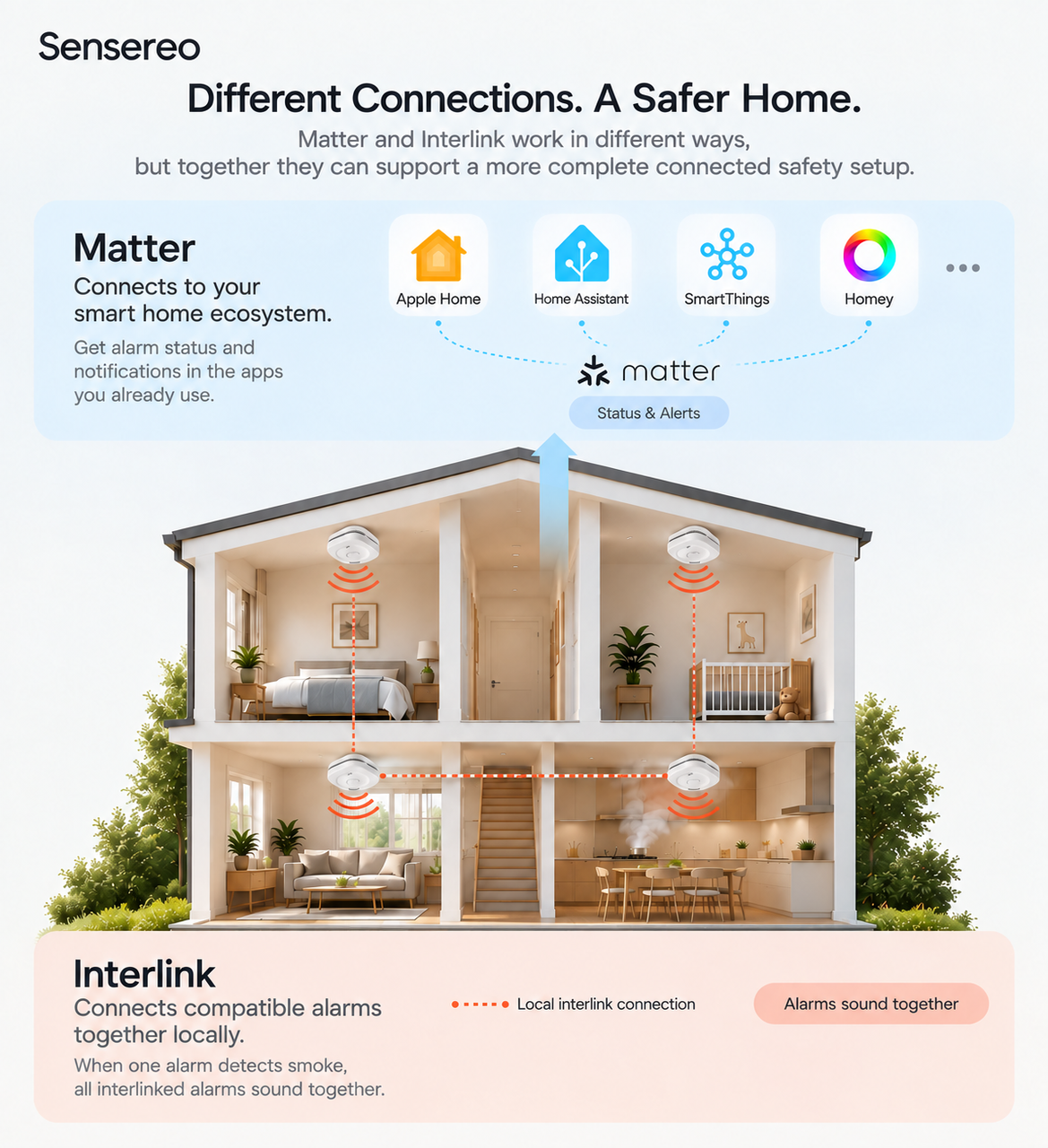
A smart home notification and a local alarm interconnection serve different purposes.
Matter over Thread can help connect the smoke alarm to a compatible smart home ecosystem. Depending on the ecosystem, this can allow users to check device status, receive app alerts, and include the alarm in a broader smart home setup.
Interlink uses the local Thread network for alarm-to-alarm communication. When one compatible alarm detects smoke, it can send the alarm event over Thread so other connected alarms can also sound.
Together, Matter and Interlink allow the MS-1 Interlink Version to combine smart home ecosystem connectivity with Thread-based alarm interconnection across the home.
Frequently Asked Questions
When was the Sensereo MS-1 Interlink Version released?
The MS-1 Interlink Version was released on July 31, 2026.
How much do MS-1 and MS-1 Interlink Version cost?
The standard Sensereo MS-1 is priced at $49.99, while the MS-1 Interlink Version is priced at $59.99.
What is the hardware difference between MS-1 and MS-1 Interlink Version?
The MS-1 Interlink Version includes an additional dedicated Interlink button. The button is used for Interlink-related operation and also serves as the control for entering pairing mode on the Interlink model.
Can the standard MS-1 be upgraded to support Interlink?
No. The standard MS-1 cannot gain Interlink functionality through an OTA or firmware update.
Can standard MS-1 and MS-1 Interlink Version alarms be mixed in the same Interlink network?
No. The standard MS-1 does not support Interlink and cannot participate in the MS-1 Interlink Version’s alarm Interlink network.
Does MS-1 Interlink use Thread?
Yes. Sensereo Interlink uses Thread to transmit alarm information between compatible alarms on the local Thread network.
Does Interlink require internet access?
No. The local alarm-to-alarm Interlink function does not depend on internet access. It can continue as long as the local Thread network remains active.
Will Interlink still work if Wi-Fi is offline?
Yes. If Wi-Fi or internet access is unavailable but the local Thread network remains active, compatible Interlink alarms can continue communicating over Thread.
Can MS-1 Interlink Version connect with interlinked alarms from other brands?
It can work with compatible alarms from other brands when those alarms also use Thread for their Interlink communication and support a compatible alarm interconnection method. Alarms that use other wireless technologies or proprietary non-Thread Interlink methods cannot join the same Thread-based Interlink network.
Is Interlink the same as Matter?
No. Matter is used for smart home ecosystem integration. Interlink uses Thread for alarm-to-alarm communication so compatible alarms can respond together when one detects smoke.
Final Notes
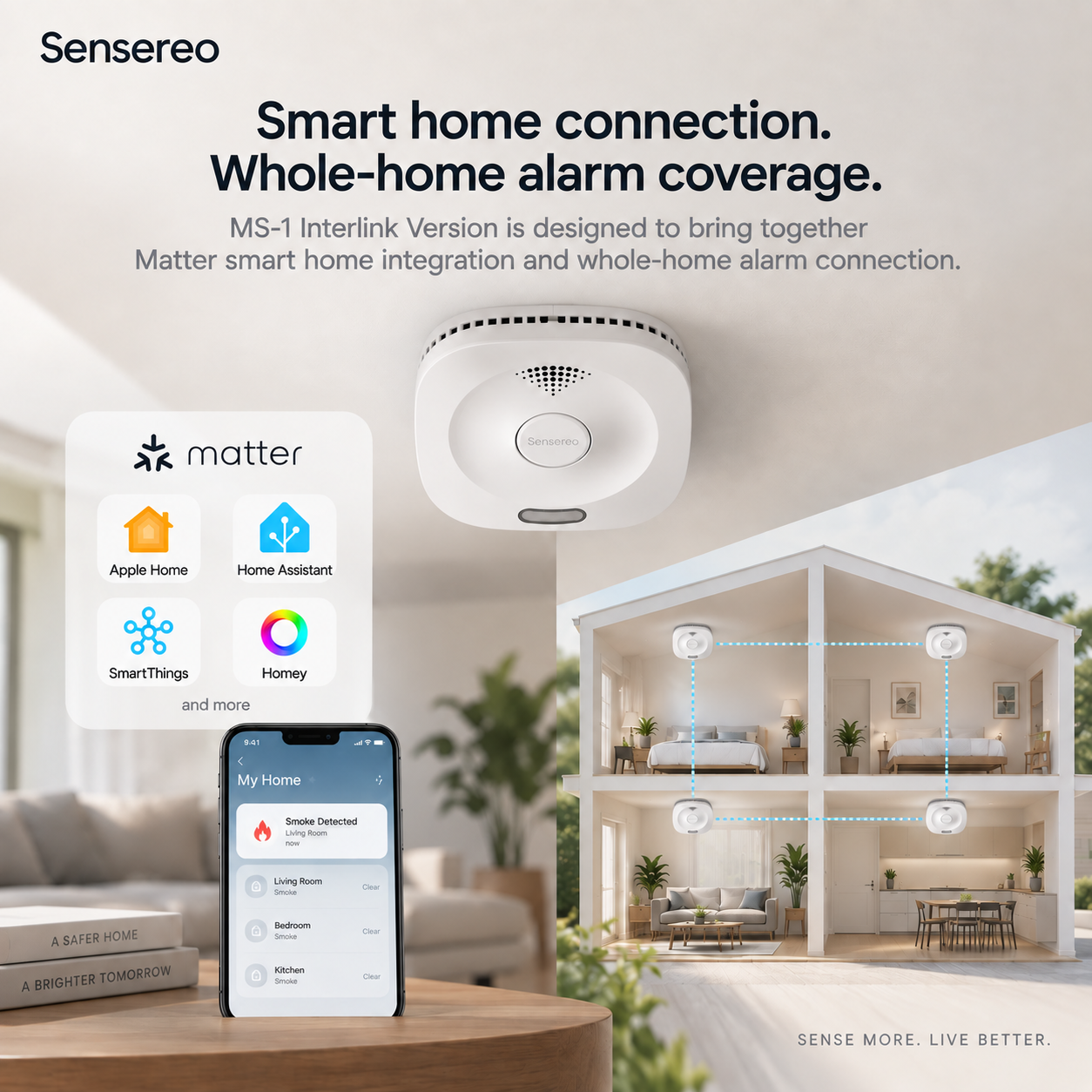
Sensereo MS-1 and MS-1 Interlink Version are both Matter over Thread smoke alarms, but they are designed for different needs.
The standard MS-1, priced at $49.99, is designed for users who want Matter over Thread smoke alarm integration without alarm-to-alarm Interlink functionality.
The MS-1 Interlink Version, released on July 31, 2026 and priced at $59.99, adds a dedicated Interlink button and Thread-based alarm interconnection, allowing compatible alarms to communicate and sound together across different areas of the home.
The standard MS-1 cannot gain Interlink through a firmware update and cannot participate in an MS-1 Interlink alarm network. Cross-brand Interlink is possible only when the other alarm also uses a compatible Thread-based Interlink method.
Because Interlink communication takes place over the local Thread network, the alarm-to-alarm function can continue even when Wi-Fi or internet access is unavailable, as long as the Thread network itself remains active.